
How to Master Visual Arts Techniques: A Beginner's Guide

Introduction to Visual Arts
Visual arts encompass a wide range of disciplines, from drawing and painting to photography and sculpture. Whether you're just starting out or looking to refine your craft, mastering visual arts techniques is a rewarding journey that fosters creativity and self-expression.
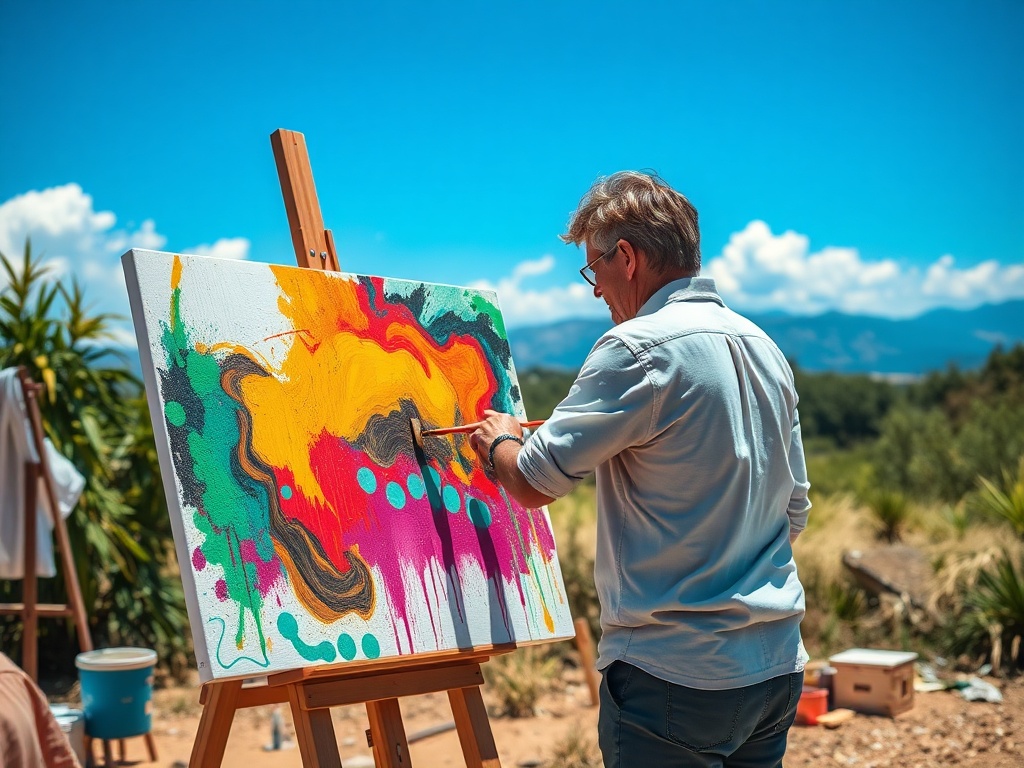
Step 1: Getting Started with the Basics
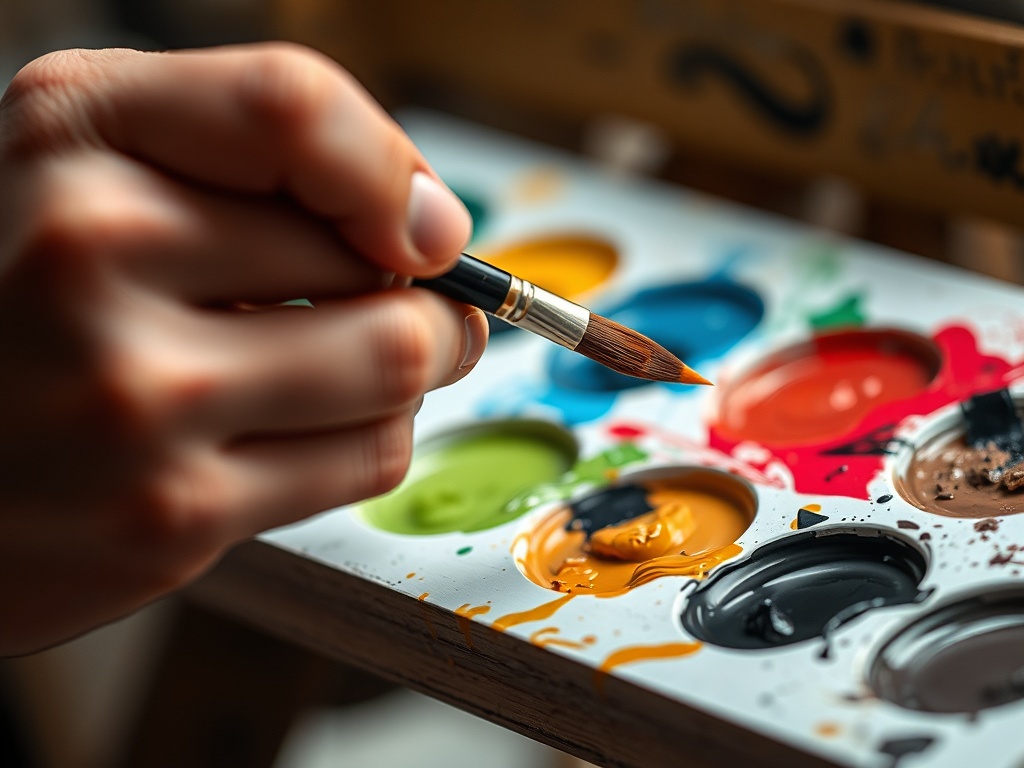
Before diving into more complex techniques, it's important to get a solid grasp of the basics. This includes understanding your materials, learning basic shapes, and exploring different mediums such as pencils, watercolors, or acrylic paints.
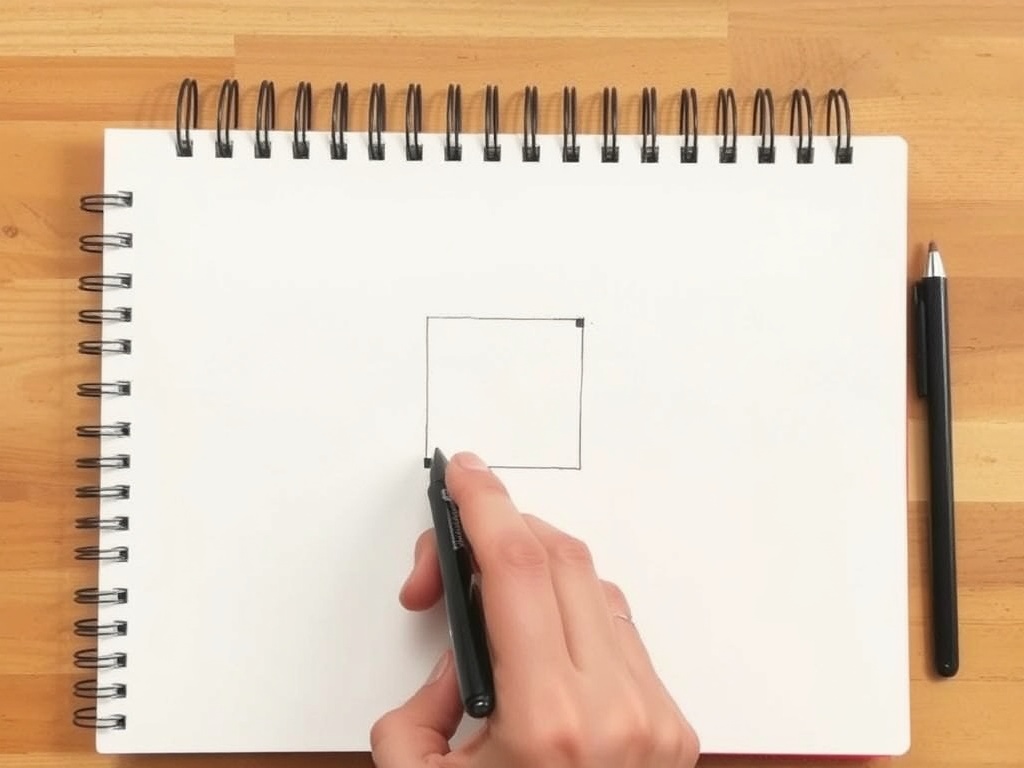
Step 2: Exploring Drawing and Sketching
Drawing is a foundational skill for visual artists. Begin by practicing basic shapes and forms, and gradually move on to more detailed sketches. Sketching helps improve your hand-eye coordination and is the best way to plan out larger works of art.
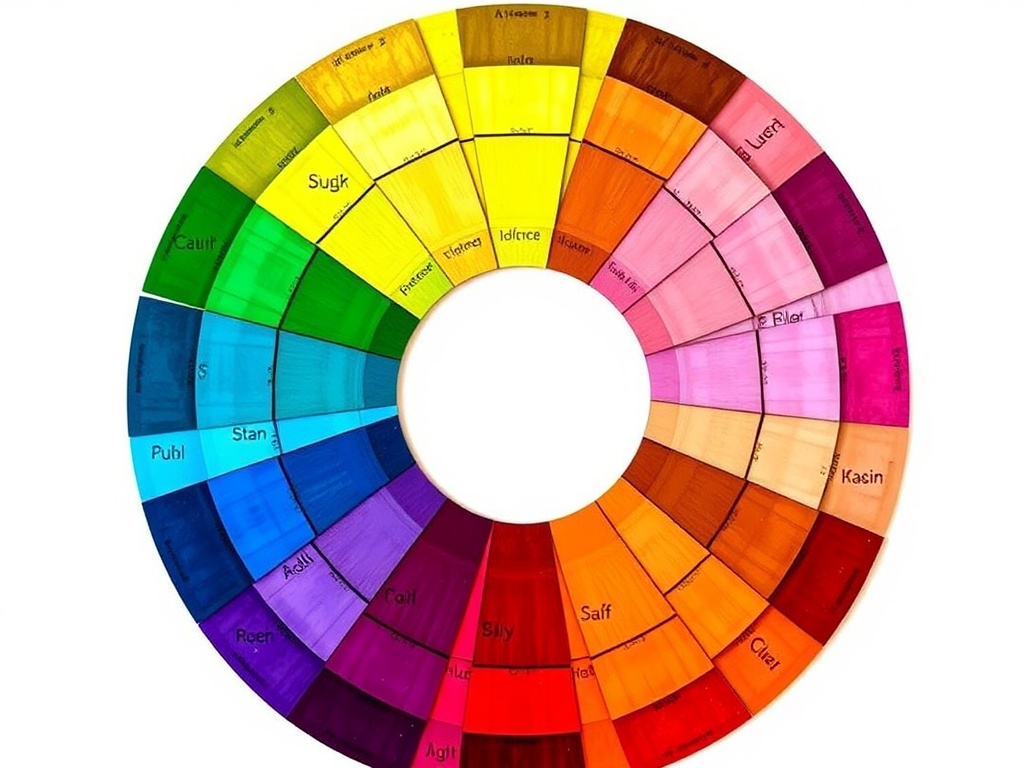
Step 3: Understanding Color Theory
Color is one of the most powerful tools in visual arts. Learning how colors interact, such as complementary and analogous colors, will help you create more dynamic and harmonious works of art.
Step 4: Experimenting with Different Mediums
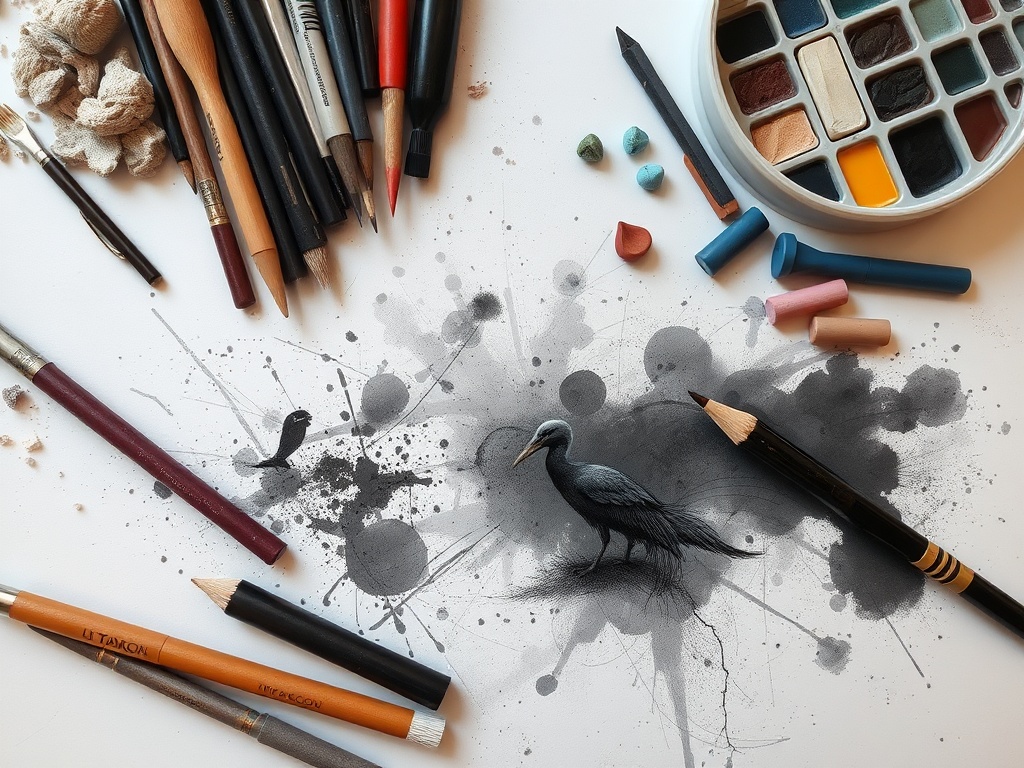
While pencils and paints are common mediums, don't be afraid to experiment with different materials such as charcoal, pastels, or even digital tools. Each medium offers unique qualities that can add depth and texture to your artwork.
Step 5: Practicing Regularly
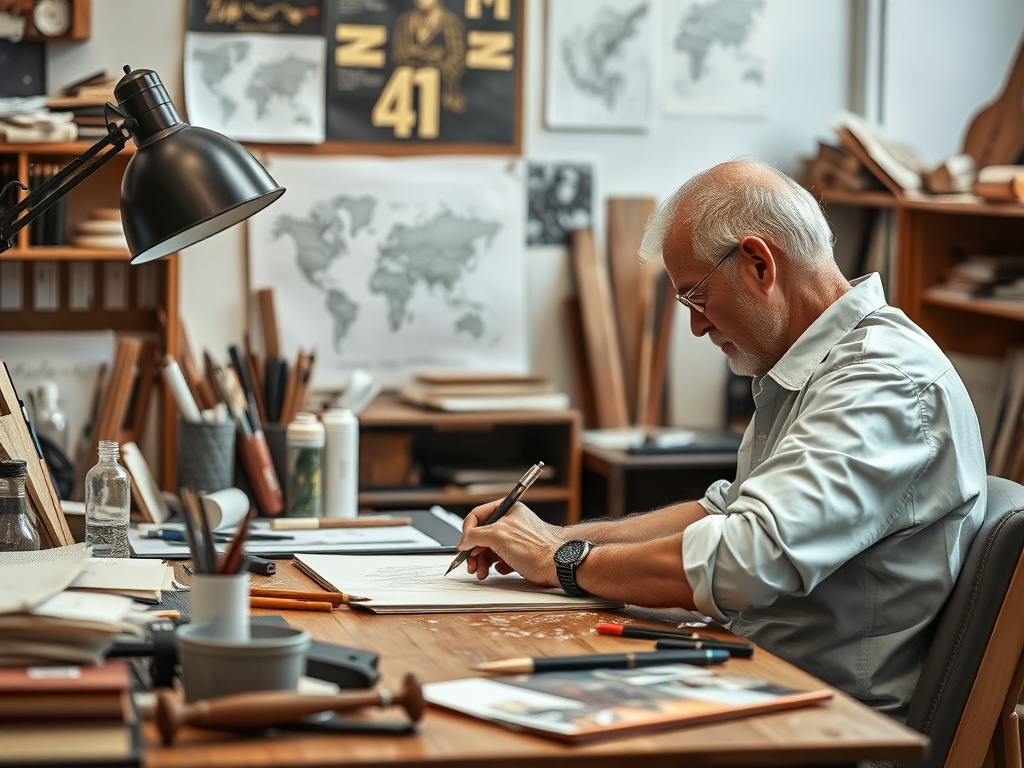
Improvement in visual arts comes with practice. Set aside time each day or week to practice drawing, painting, or whatever medium you are working in. The more you practice, the more confident you'll become in your abilities.
Conclusion
Mastering visual arts techniques takes time and patience. Start with the basics, explore different mediums, and practice regularly. Soon, you'll find that creating art becomes second nature.