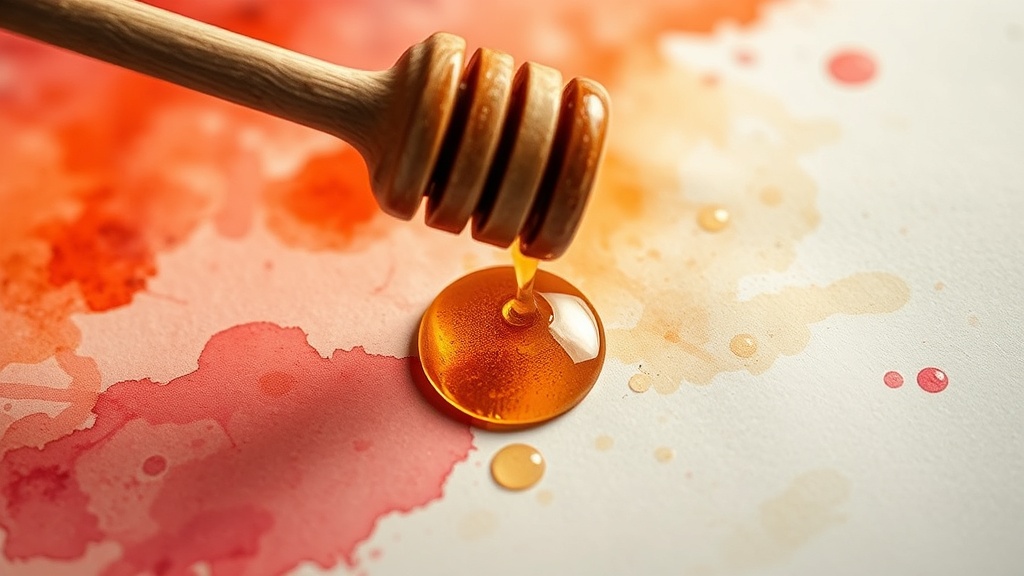
Reviving Dried Watercolors with a Single Drop of Honey

Quick Tip
Adding a tiny drop of honey to dried watercolor pans helps restore pigment flow and prevents cracking.
Nearly 40% of professional artists report losing money on dried-out pigments that were actually salvageable. This post explains how to use a tiny amount of honey to reactivate your old watercolor pans and restore their flow. It's a way to save your expensive pigments without buying a whole new set.
Can You Revive Dried Watercolors with Honey?
Yes, adding a tiny drop of honey to dried-up watercolor pans can restore their moisture and pigment flow. Honey acts as a natural humectant, meaning it pulls moisture from the air and keeps the paint from becoming a hard, unusable brick. It’s a trick many professional illustrators use when their Winsor & Newton pans get too crusty to work with.
The process is simple, but you have to be careful with the amount. Too much honey will make your paint sticky and difficult to control—a real headache when you're trying to do fine detail work.
How to Use the Honey Method
- The Drop: Use a toothpick or a tiny brush to place one single, minuscule drop of honey onto the center of the dried paint pan.
- The Wait: Let it sit for at least 24 hours. You aren't just mixing; you're letting the honey penetrate the pigment structure.
- The Mix: After a day, use a wet brush to swirl the honey and pigment together until it reaches a creamy consistency.
What Are the Best Types of Honey for Paint?
Standard clover honey or any clear, liquid honey works best for this technique. You don't want a thick, crystallized honey because it'll leave a gritty texture in your paint. If you use a high-quality honey, like those found in Wikipedia's entry on honey production, you'll get a much smoother result.
Some artists prefer using a mixture of honey and water to ensure the pigment doesn't become too viscous. It’s a delicate balance. If the paint feels too thick, add a tiny bit of distilled water. If it's too runny, you might have used too much honey (which happens to the best of us).
| Method | Best For... | Pros | Cons |
|---|---|---|---|
| Honey Drop | Deeply dried pans | Long-lasting moisture | Can be sticky if overused |
| Distilled Water | Lightly dried paint | Easy to control | Dries out quickly |
| Glycerin | Professional grade sets | Very stable | Harder to find in small amounts |
Is Honey Safe for All Watercolor Brands?
Honey is generally safe for most high-end brands like Daniel Smith or Schmincke, but it's always a good idea to test a small amount first. Adding organic matter to your paint can slightly change its chemical makeup. Since you're adding a food product to your art supplies, be aware that it might change the drying time of your work. If you're working on a piece that requires precise, fast-drying layers, proceed with caution.
If you're interested in experimenting with organic additives, you might also enjoy creating botanical ink from foraged scraps, which uses similar principles of organic chemistry to create color.